
Good farming is not only about having fertilizer.
It is about knowing:
- What fertilizer to use
- When to apply it
- How much to apply
- How to protect soil health for future seasons
Even the best agricultural inputs cannot deliver strong results if farmers do not have the right knowledge.
That is why Amani AgriChoice Limited (AAL) continues to invest heavily in farmer education across the Lake Zone.
This quarter, AAL field teams traveled across multiple farming communities with one mission:
Bringing practical agricultural knowledge directly to farmers.
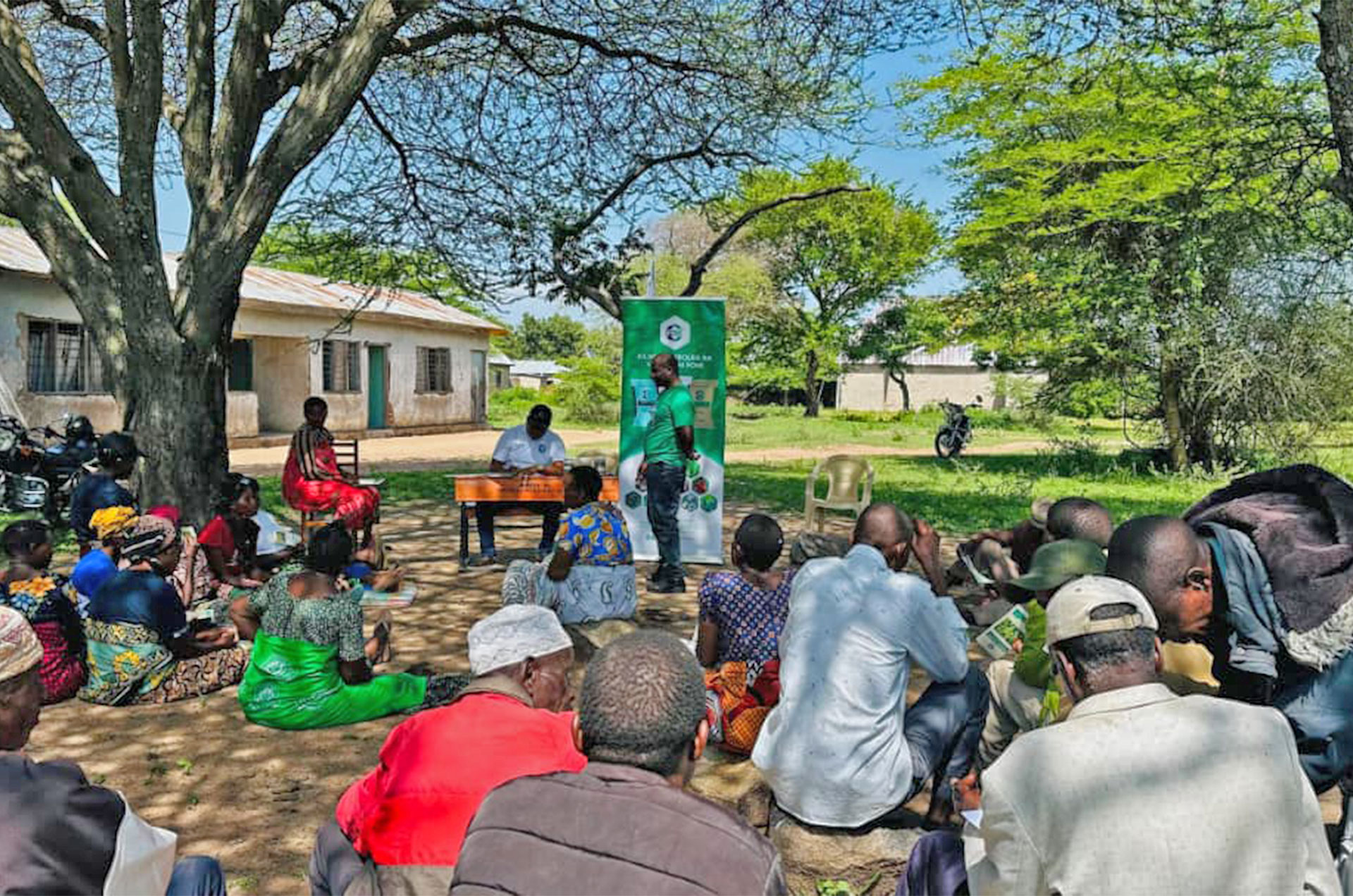
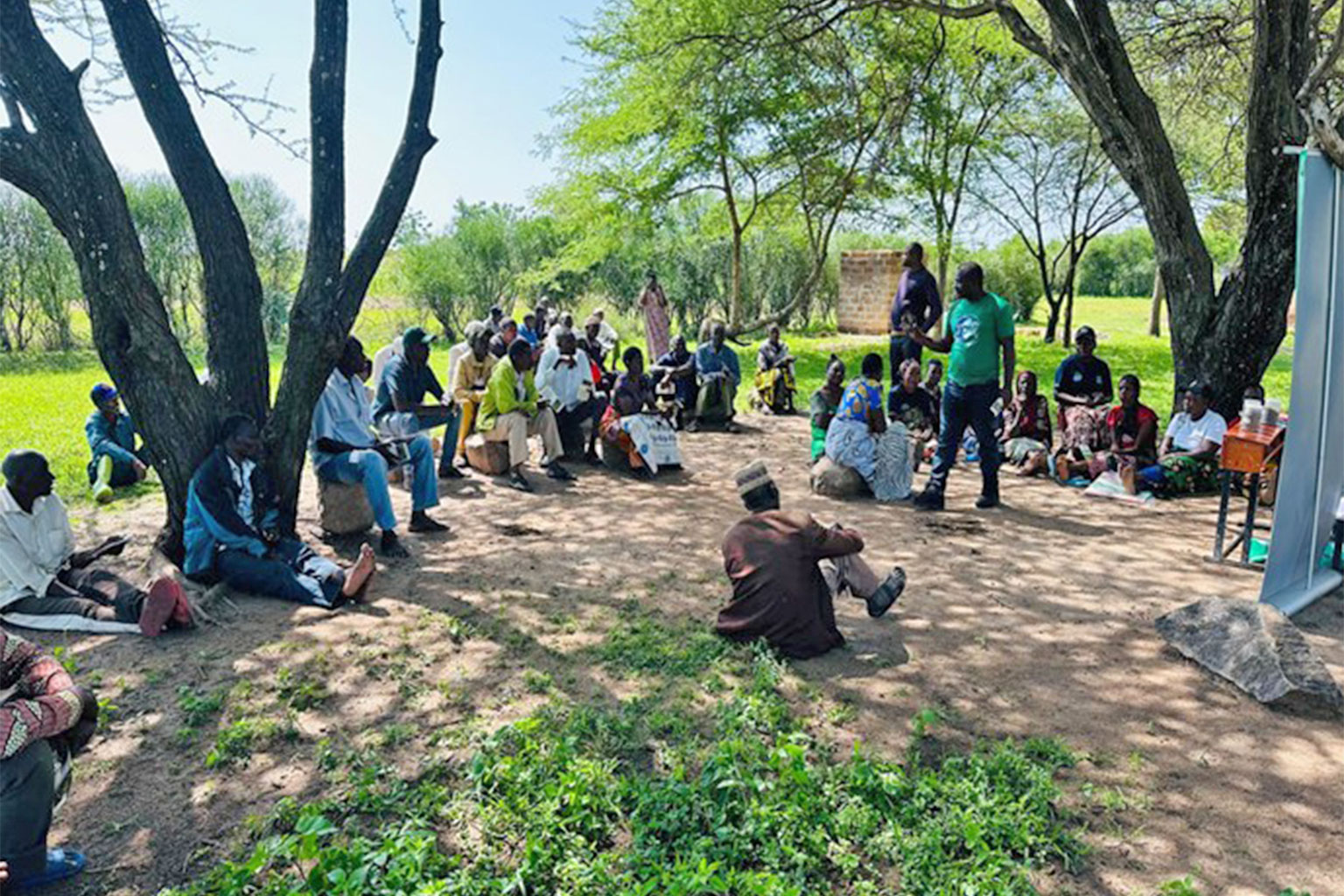
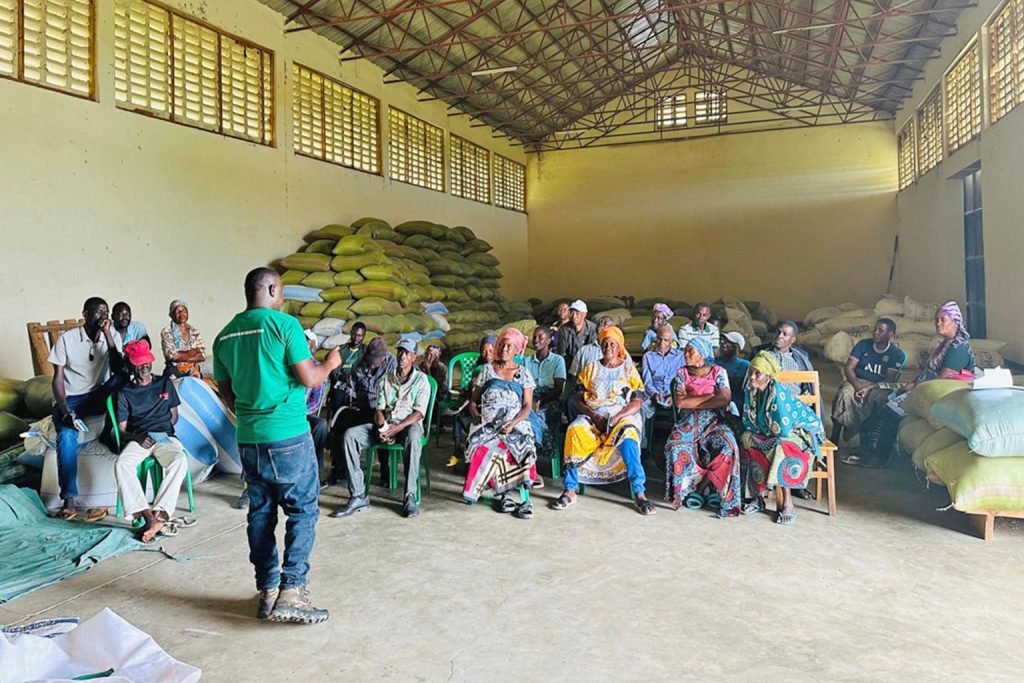
By the end of the training campaign, more than 600 farmers had participated in hands-on learning sessions focused on soil health, fertilizer use, and modern farming practices.
| Training Location | Farmers Reached |
|---|---|
| Ndelema Village Assembly | 85+ Farmers |
| Nyamalimbe Community Center | 70+ Farmers |
| Katunguru Irrigation Scheme | 48+ Registered Growers |
And many more farmers were reached through smaller village meetings and field consultations across the region.
Taking Agricultural Education Closer to Farmers
Instead of waiting for farmers to travel long distances for seminars, AAL teams brought the training directly into local communities.
Some sessions were held in:
- Community halls
- Village meeting grounds
- Demonstration farms
- Irrigation schemes
This made the training more accessible and practical for farmers.
What Farmers Learned
The sessions focused on turning technical agricultural knowledge into simple, easy-to-apply farming practices.
1. Restoring Soil Health
Many farmers are facing declining soil fertility after years of continuous farming.
AAL teams explained:
- How poor soil affects crop performance
- Why soil needs both organic matter and nutrients
- How organo-mineral fertilizers help rebuild soil health naturally
Farmers also learned how healthy soil improves water retention and crop resilience during difficult weather conditions.
2. Reducing Farming Costs Through Better Input Use
One major focus was helping farmers understand that proper fertilizer application can actually reduce production costs.
Farmers were trained on:
- Correct fertilizer placement
- Proper timing of application
- Recommended spacing techniques
- Avoiding fertilizer wastage
Using inputs correctly helps farmers get better yields without unnecessary expenses.
3. Practical Demonstrations in the Field
One major focus was helping farmers understand that proper fertilizer application can actually reduce production costs.
Farmers were trained on:
- Correct fertilizer placement
- Proper timing of application
- Recommended spacing techniques
- Avoiding fertilizer wastage
Using inputs correctly helps farmers get better yields without unnecessary expenses.
Strong Farmer Participation Across the Region
The response from local communities was extremely encouraging.
- Ndelema Village
More than 85 farmers attended the village training session, actively participating and asking questions about soil improvement and fertilizer use.
- Nyamalimbe Community Center
Over 70 farmers gathered for the training, with many discussions focusing on crop diseases, soil fertility, and improving harvest quality.
- Katunguru Irrigation Scheme
Registered rice growers at Katunguru participated in specialized irrigation and nutrient management training designed for high-moisture farming systems.
Adapting Through Difficult Weather Conditions
Field training in the Lake Zone is not always easy.
During activities at the Mwasubuya Irrigation Scheme, the team encountered heavy rainfall that disrupted outdoor sessions.
But the mission continued.
Instead of cancelling the program, the extension teams quickly adjusted by:
- Organizing smaller group discussions
- Conducting farmer consultations under shelter
- Distributing training materials to local leaders and irrigation representatives
This ensured the knowledge still reached farming communities despite the weather challenges.