
In Geita Region, successful farming is not only about hard work — it is about timing.
From maize farming during the rainy season to irrigated rice production and high-value tomato farming during the dry season, farmers who plan their crop cycles carefully are able to increase yields, improve soil health, and earn better profits throughout the year.
With changing weather patterns and growing market opportunities across East Africa, understanding the local crop calendar has become more important than ever.
| Season | Main Crop | Main Focus |
|---|---|---|
| September – January | Maize | Strong root development & early nutrition |
| February – June | Irrigated Rice | Moisture management & tiller growth |
| July – August | Tomatoes & Vegetables | Fast-growing cash crops & fruit quality |
Maize High-Season (September – January)
The main rainy season marks the beginning of maize farming across Geita. This is one of the most important farming periods for both household food security and commercial grain production.
Farmers should focus on:
- Building strong root systems
- Developing healthy stalks
- Supporting early plant growth
- Preparing crops to withstand changing weather conditions
Strong crops established early are more likely to produce high yields later in the season.
Fertilizer Strategy for Maize
One of the biggest mistakes farmers make is delaying fertilizer application.
For better performance:
- Apply fertilizer during planting or within the first two weeks after germination
- Use organo-mineral fertilizers like FOMI to improve both soil fertility and plant nutrition
- Support soil microbes for gradual nutrient release throughout the growing season
Healthy soil leads to healthier maize plants.
Market Opportunity
Well-filled and high-quality maize grains attract better prices in local and regional markets.
Farmers producing quality maize are increasingly supplying traders serving neighbouring countries such as Burundi and Rwanda, creating stronger income opportunities for Geita farmers.
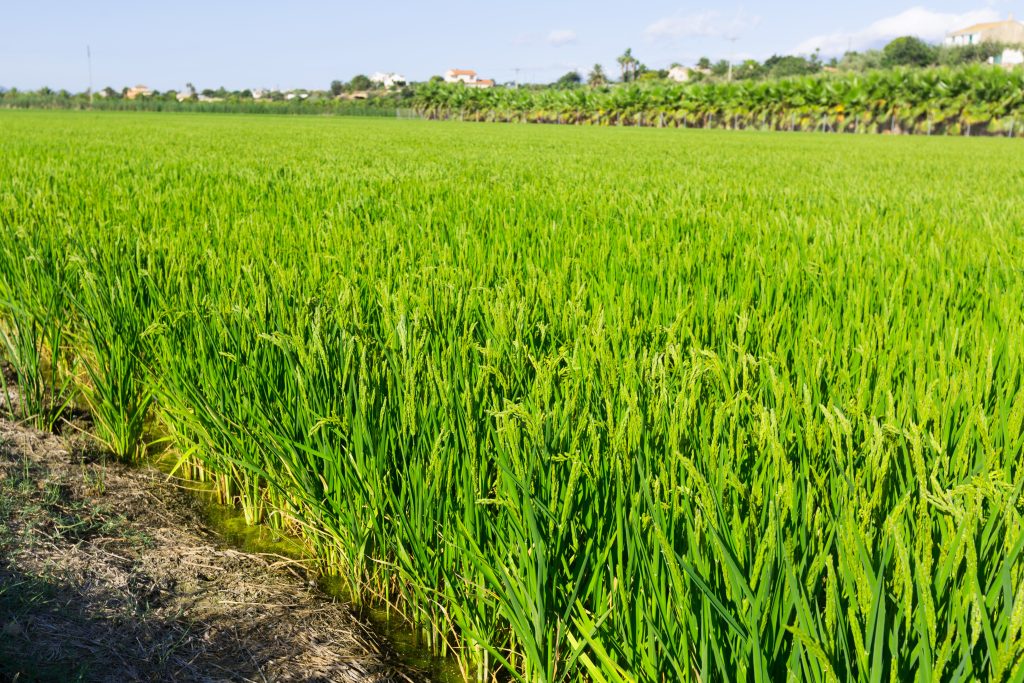
Irrigated Rice Season (February – June)
After maize harvesting begins, many farmers in lowland and irrigation areas shift directly into rice farming.
Areas such as Saragulwa, Katunguru, and other irrigation schemes become highly active during this period.
The focus during rice production is:
- Increasing tillering
- Supporting steady vegetative growth
- Maintaining healthy plants in wet environments
The more productive stems a rice plant produces, the greater the potential grain yield.
Fertilizer Strategy for Rice
Rice farming in flooded or irrigated areas requires fertilizers that remain effective even in high moisture conditions.
Using organic-enriched fertilizers helps:
- Reduce nutrient loss through water movement
- Improve nutrient retention in the soil
- Feed rice crops continuously during growth stages
Balanced nutrition is essential for strong rice development and better harvest quality.
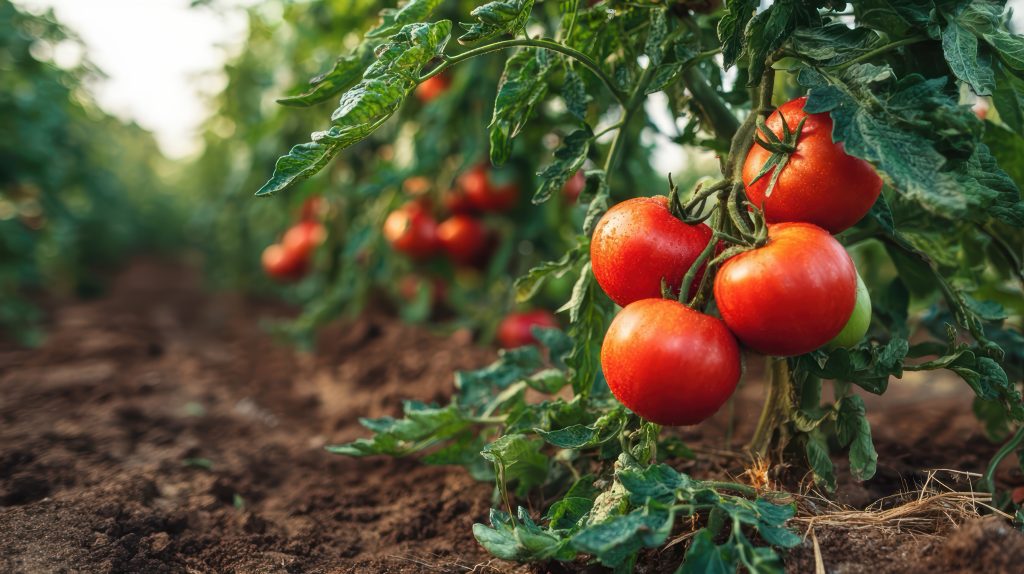
Tomato & Horticulture Season (July – August)
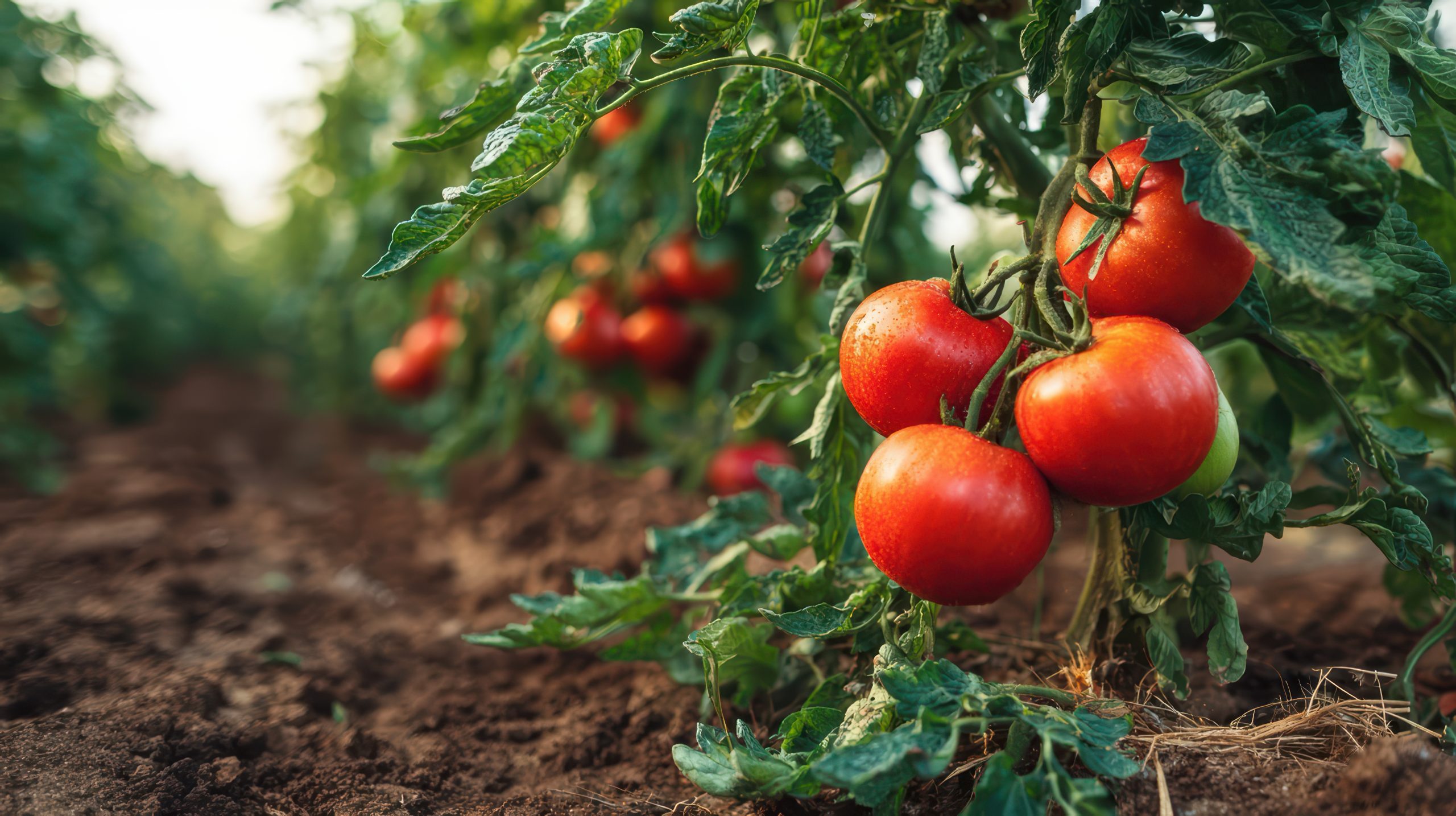
During the dry season, farmers with access to irrigation often transition into fast-growing horticultural crops such as Tomatoes, Peppers, and Vegetables.
These crops provide quick income and strong market demand.
The more productive stems a rice plant produces, the greater the potential grain yield.
The Goal
Farmers aim to produce:
- Firm fruits
- Uniform crop quality
- Longer shelf-life
- Better transport durability
This is especially important for farmers supplying distant markets
A Growing Regional Market
Geita farmers increasingly supply horticultural produce to cross-border markets, including Burundi and neighboring regions.
However, buyers pay premium prices only for vegetables that can survive long-distance transportation without spoiling.
Good soil nutrition helps fruits remain stronger, healthier, and more marketable.
The Golden Rule: Feed the Soil First
No matter which crop you grow, long-term success begins with healthy soil.
Overusing harsh chemical inputs on depleted land eventually reduces productivity. Farmers who integrate organic-rich fertilizers into their farming systems often experience:
- Improved soil structure
- Better water retention
- Stronger crop resilience
- More consistent yields
- Better long-term soil fertility
Get the Right Fertilizer Plan for Your Farm
Every farm has different soil conditions and crop needs.
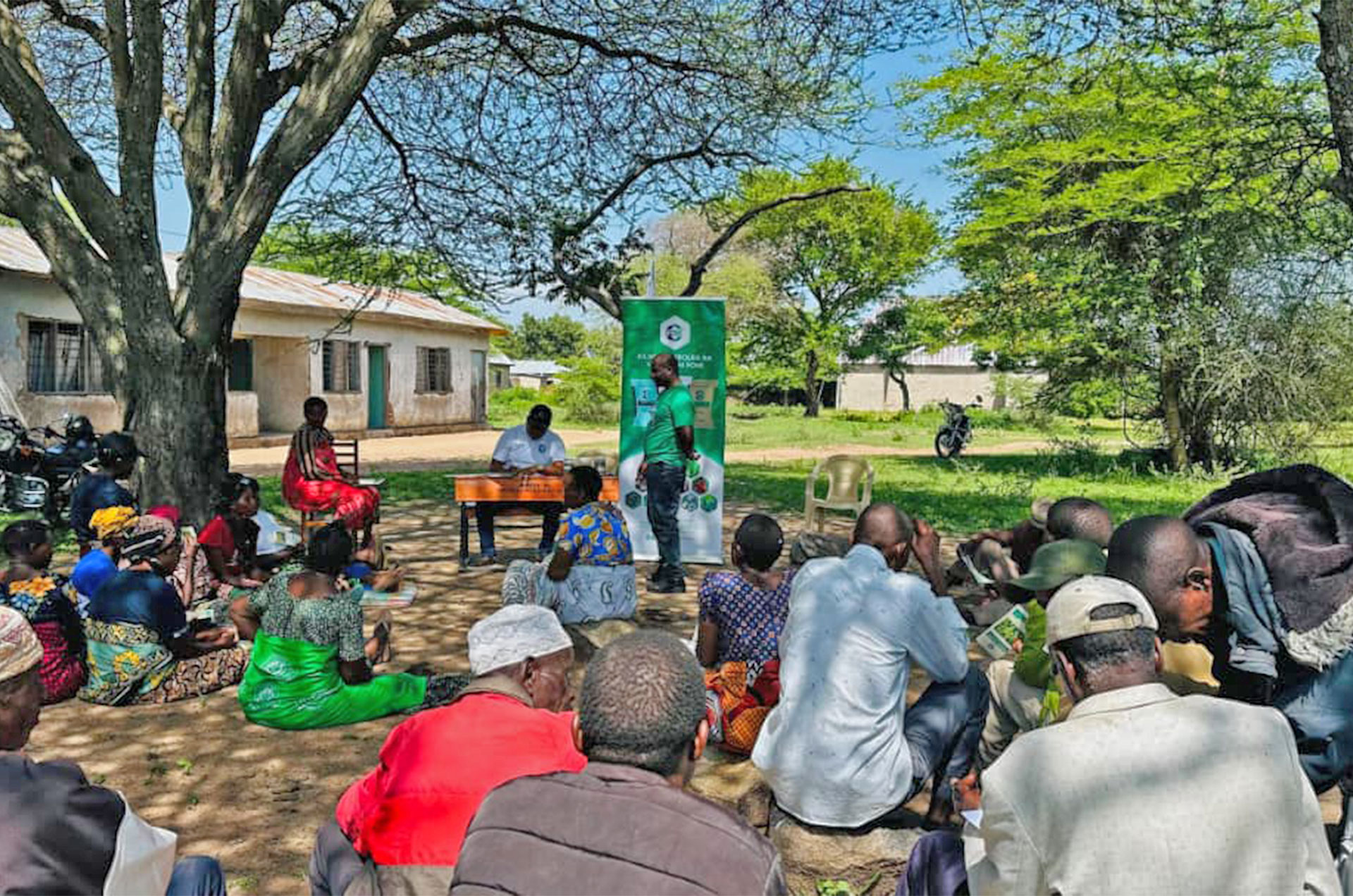
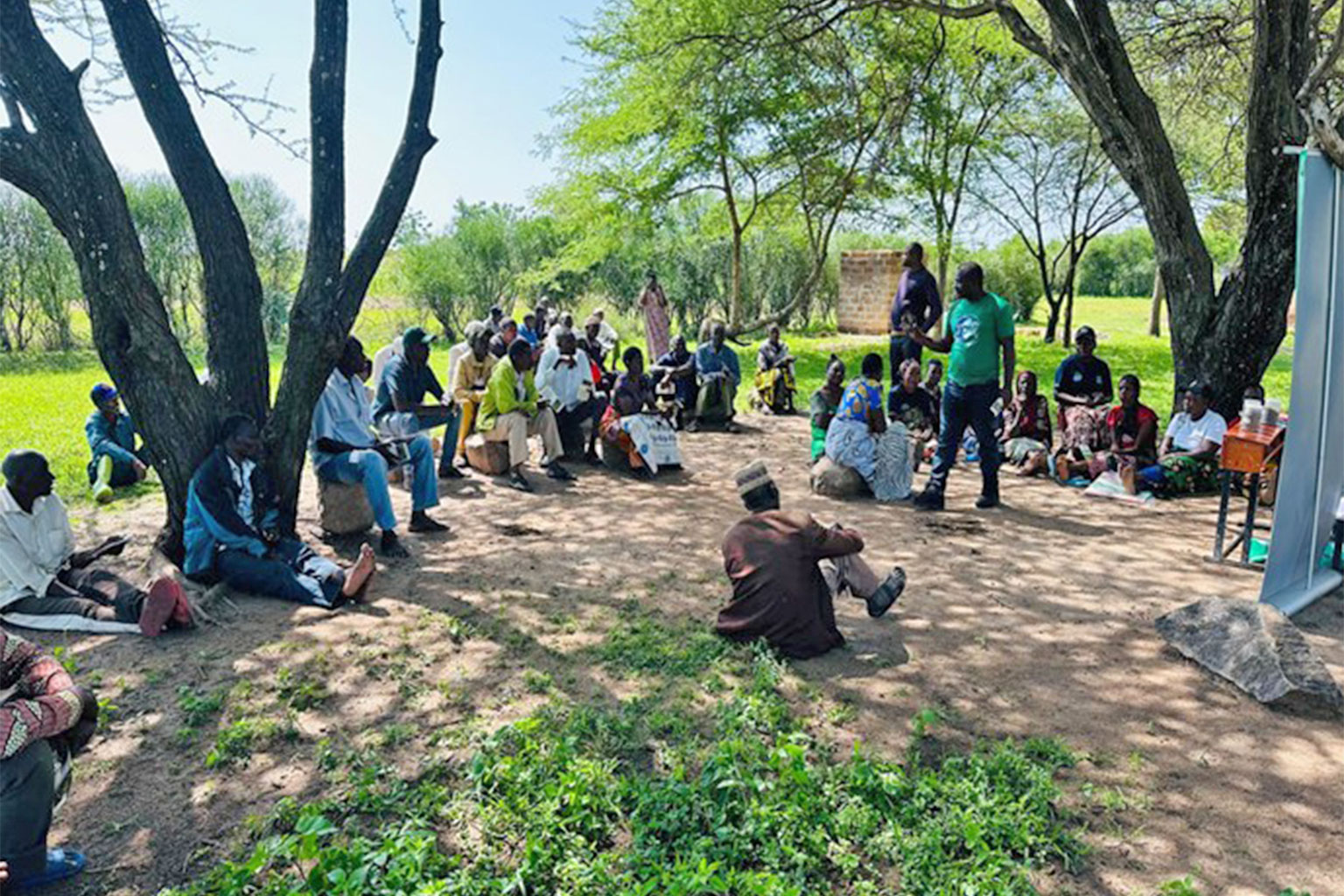
Amani AgriChoice Limited (AAL) works closely with farmers across Geita and the Lake Zone to provide:
- Agronomic support
- Fertilizer recommendations
- Farmer training sessions
- Access to quality FOMI fertilizers
Need guidance for the upcoming season?
Visit the AAL Geita hub or speak with one of our field agronomists during your next village training session to receive a fertilizer plan tailored to your farm.